Photo-led cap feeding, bowl feeding and cap presentation systems for UK capping lines01494 623015   sales@lancinguk.com
Troubleshooting

Cap feeder troubleshooting for misfeeds and jams.

Use symptoms at the bowl, chute, sorter and capper handover point to identify where the cap feeding route needs attention.

Need the feeder to match your cap and capper?

Send cap samples, photos, target output and the downstream capping machine details. The quickest shortlist starts with real parts, not a generic speed figure.

Send cap details
Specification focus

A cap feeder problem often starts before the jam point.

Cap feeder faults usually appear at the capping head, but the root cause may be earlier in the route. A cap can be unstable in the hopper, fail to separate in the bowl, bounce in the chute or arrive at the handover point at the wrong time.

Troubleshooting should start by identifying the symptom: starvation, flooding, wrong orientation, caps wedged in the track, caps bouncing out of guides or inconsistent pickup by the capper. Each symptom points to different mechanical or control checks.

If the problem appears after a cap, bottle or speed change, review the changeover settings and whether the feeder was originally tooled for the new closure.

StarvationCheck hopper level, bowl tuning, cap flow, sensors and the feed-rate margin above line speed.
OverfeedingCheck level control, chute capacity and whether caps are being pushed into the capper faster than it can accept.
Wrong orientationCheck reject tooling, cap balance, worn guides and whether the closure has changed.
Handover faultsCheck chute angle, capper timing, bottle stability and cap pickup position.
SymptomLikely area to checkUseful evidence
Caps bridge in hopperHopper angle, cap surface, bulk loading depth and vibration transfer.Video of cap movement and photos of the cap pile.
Bowl runs but capper starvesTrack speed, reject rate, outlet restriction, sensor settings and line demand.Caps per minute leaving the bowl compared with capper demand.
Inverted caps reach the capperReject gate, cap geometry, tooling wear and excessive bowl speed.Photos of the cap in correct and wrong orientation.
Caps jam in chuteChute width, angle, cap bounce, static, cap damage or mismatched cap size.Close-up photos of jam location and cap dimensions.
Related systems

Move into the nearest feeder route.

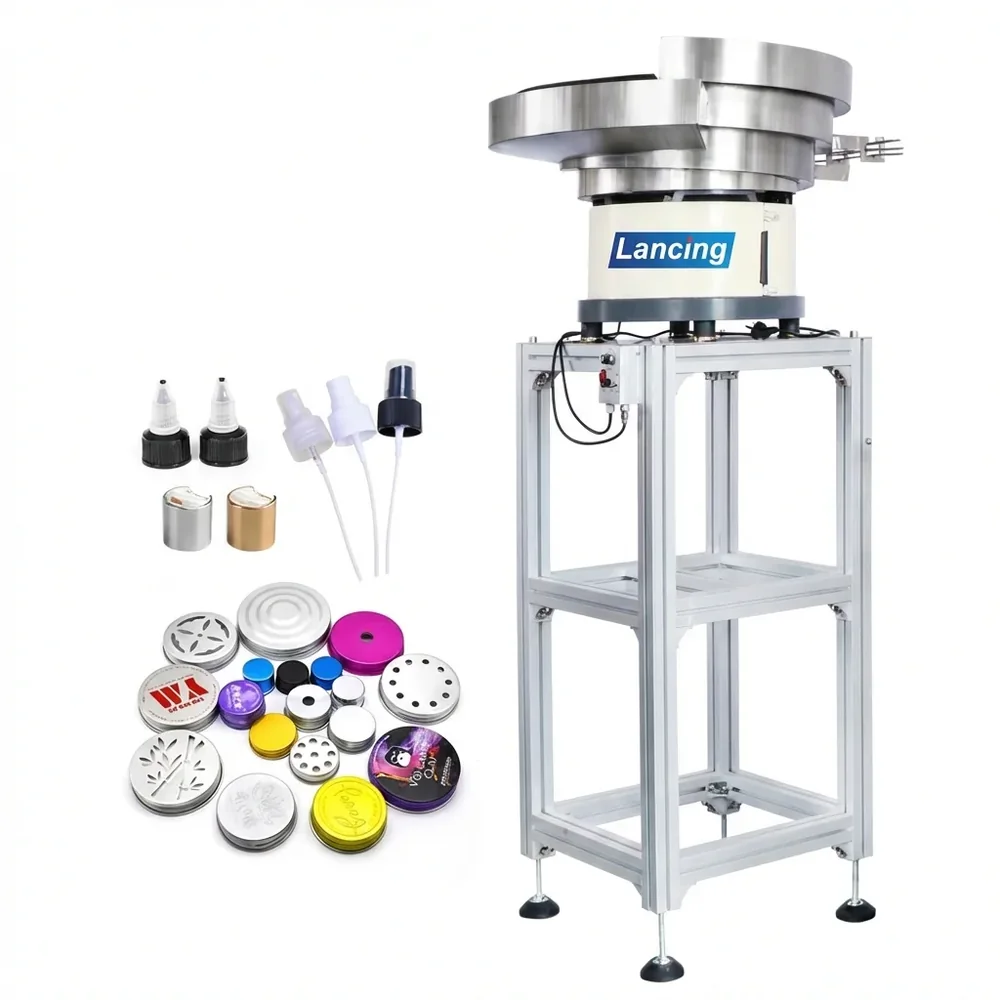
Cap feeder with closure samples
Cap feeders

Automatic cap feeders

Controlled cap supply for automatic and semi-automatic cappers.

Read more
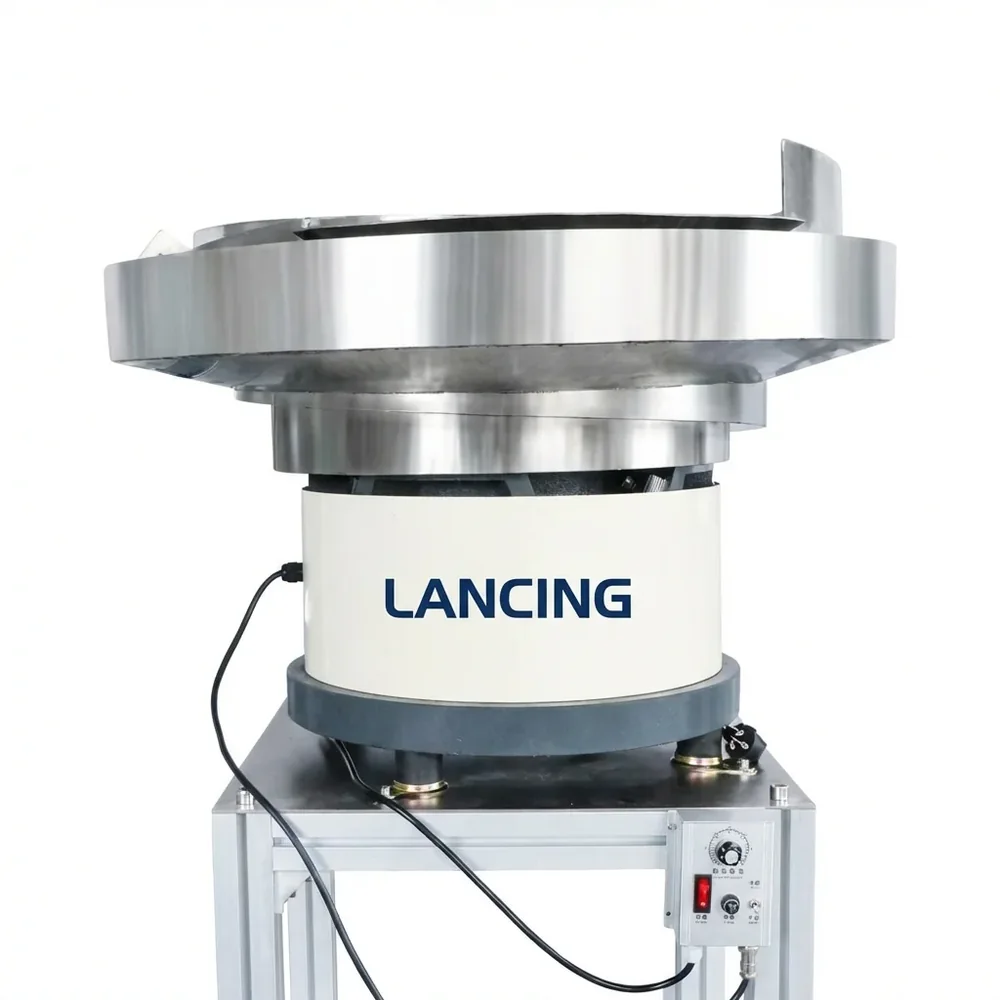
Vibratory bowl feeder close up
Bowl feeders

Vibratory bowl feeders

Bowl tooling and track design for sorting and orientation.

Read more
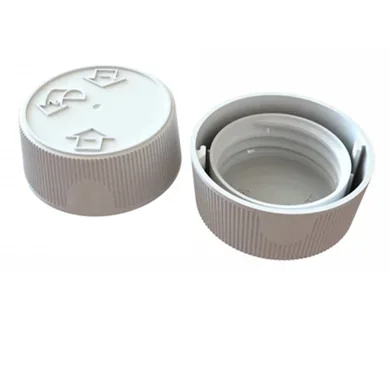
Plastic screw cap samples
Sorters

Cap sorters

Wrong-way rejection and closure presentation before capping.

Read more
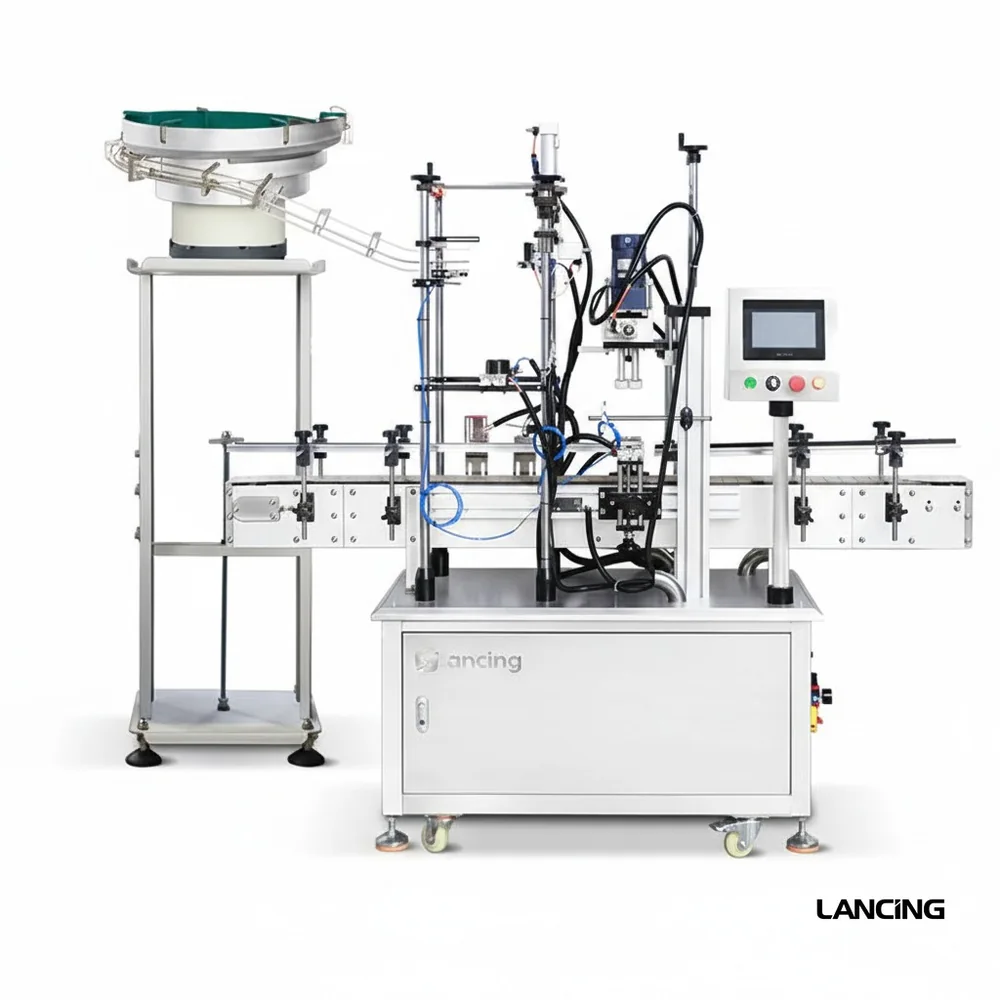
Pump capping machine with bowl feeder
Special closures

Pump and trigger feeding

Feeding support for pumps, sprayers and difficult closures.

Read more
Connected Lancing routes

Built to sit beside the wider Lancing machinery network.

The site now links cap feeding intent to bowl feeder specification, capping machine selection and wider bottle-line planning.

Bowl feeding

Vibratory bowl feeder specification

Use the bowl feeder route when the cap or component needs sample-based tooling, orientation and a stable discharge point.

Visit bowlfeeders.co.uk
Capping

Capper selection and closure type

Use the capping machinery route when the project also needs screw, pump, trigger, ROPP, press-on or complete capping equipment.

Visit cappingmachinesuk.co.uk
Line planning

Filling, capping and labelling context

Use the Lancing UK route when the feeder is part of a wider packaging line, retrofit, installation or project-planning brief.

Visit lancinguk.online
FAQs

Questions about troubleshooting.

Why does my cap feeder keep jamming?

Common causes include inconsistent caps, poor separation, incorrect tooling, overfeeding, worn guides, chute angle problems or timing issues at the capper.

Why is the capper starving for caps?

The feeder may be undersized, the bowl may be tuned incorrectly, the hopper may run low, or sensors may be stopping the feed too early.

Why are caps arriving upside down?

The orientation tooling, reject path or cap geometry may not be suitable for the current cap style or speed.

Troubleshooting boundary

Separate cap-supply faults from capper and bottle-handling faults.

The visible symptom may occur at the capping head even when the cause is earlier in the hopper, sorter or chute. Work through the feed path in order and use the site's safe isolation procedure before access.

SymptomFeeder-side checksDownstream checks
Cap missing at bottleHopper level, orientation output, chute queue, escapement and presence sensor.Bottle spacing, placement timing, capper cycle permission and rejected bottle handling.
Cap arrives wrong-waySorter setting, reject tooling, recirculation and cap variation.Chute twist, transfer disturbance and final pick orientation.
Intermittent starvationBridge, refill timing, elevator demand, bowl loading and low-level control.Capper speed changes, line accumulation and signal timing.
Marked or damaged capBulk loading, tooling contact, reject returns, chute pressure and drop height.Escapement, placement head, bottle neck contact and capping head.
Diagnostic questions

Questions that help locate a cap feeding fault before settings are changed.

The fastest diagnosis separates bulk supply, orientation, transfer, capper pickup and bottle handling instead of treating every missed cap as a feeder problem.

How do you separate a feeder fault from a capper fault?

Observe whether a stable queue of correctly oriented caps reaches the defined handover while the capper is demanding them. If the queue remains healthy but pickup or application fails, the fault is likely at the release, capper timing or bottle-control stage. If the queue starves, floods or contains wrong-way caps, work upstream through the feeder route.

Record the symptom before changing speed or tooling. A change made at the bowl can temporarily hide a capper problem and create a second fault elsewhere in the line.

Check the handover boundary

What video should be recorded when a cap feeder jams?

Record a wide view from hopper or bowl through to the capper, then a close view that starts before the jam and shows cap movement, sensor indicators and the downstream machine state. Include the line speed or operating mode and keep the camera steady enough to see the first abnormal movement.

A video only after the caps are already wedged rarely shows the cause. Also provide photos of the cap, the jam location and any damaged or wrongly oriented samples, while avoiding personal or confidential information in the frame.

Prepare evidence for a line audit

Why can a fault appear only after several minutes of running?

Some faults build gradually as the chute fills, recirculated caps accumulate, the hopper level changes or the capper repeatedly pauses. A marginal orientation or clearance may appear stable at first and fail only when queue pressure, cap mix or demand reaches a different operating condition.

Run long enough to include normal replenishment and stops, then note the system state immediately before the symptom. This helps distinguish a repeatable condition from a one-off damaged cap or operator intervention.

Review queue and stop behaviour

What should be checked before increasing bowl or track speed?

Check actual capper demand, current outlet rate, reject proportion, cap orientation, chute stability, cap condition and sensor response before increasing speed. A faster bowl can increase collisions, recirculation, overfill and wrong-way escape without improving the number of usable caps reaching the capper.

Change one controlled variable at a time and observe the complete route. If the capper is starving because of a handover restriction, more upstream movement may only build a larger queue behind the real bottleneck.

Match feeder output to line demand
Fault evidence

Record the evidence that separates cap faults from line faults.

Repeated cap feeder stoppages are easier to solve when the operator records cap type, fault state, sensor condition, line stop timing and what changed before the issue appeared.

Operator log

Record the visible symptom, current cap format, whether the hopper or chute was low or full, and whether the capper had recently stopped.

Operator training route

Controls log

Compare the alarm, sensor and reset state with the mechanical symptom so the issue is not misdiagnosed as only a cap jam.

Controls and I/O checks

Commissioning notes

Use commissioning and acceptance records to decide whether the current fault is new, format-specific or a known unresolved observation.

Commissioning checklist
Troubleshooting depth

More cap feeder faults to include in a diagnostic check.

Intermittent cap feeder faults often come from conditions that do not show during a short clean demonstration. The diagnosis should include material behaviour, layout, sensor logic and production variation.

SymptomLikely checkNext page
Caps cling, bridge or move unpredictablyReview static, humidity, plastic contact surfaces, dust and cap storage conditions.Anti-static feeding
Caps arrive doubled or partly overlappedCheck whether caps are nesting, shingling or being recirculated before they separate.Nesting and shingling
Wrong cap or wrong orientation reaches the capperDecide whether sensors or vision should stop, reject or alert before capping.Verification checks
Operators struggle to clear jams safelyReview guard access, chute visibility, standing position and the fault-reset sequence.Layout and access
The same problem returns after a trialCompare the evidence record with real production samples and stop/restart behaviour.Evidence pack
CallQuote