Photo-led cap feeding, bowl feeding and cap presentation systems for UK capping lines01494 623015   sales@lancinguk.com
Pump and trigger feeding

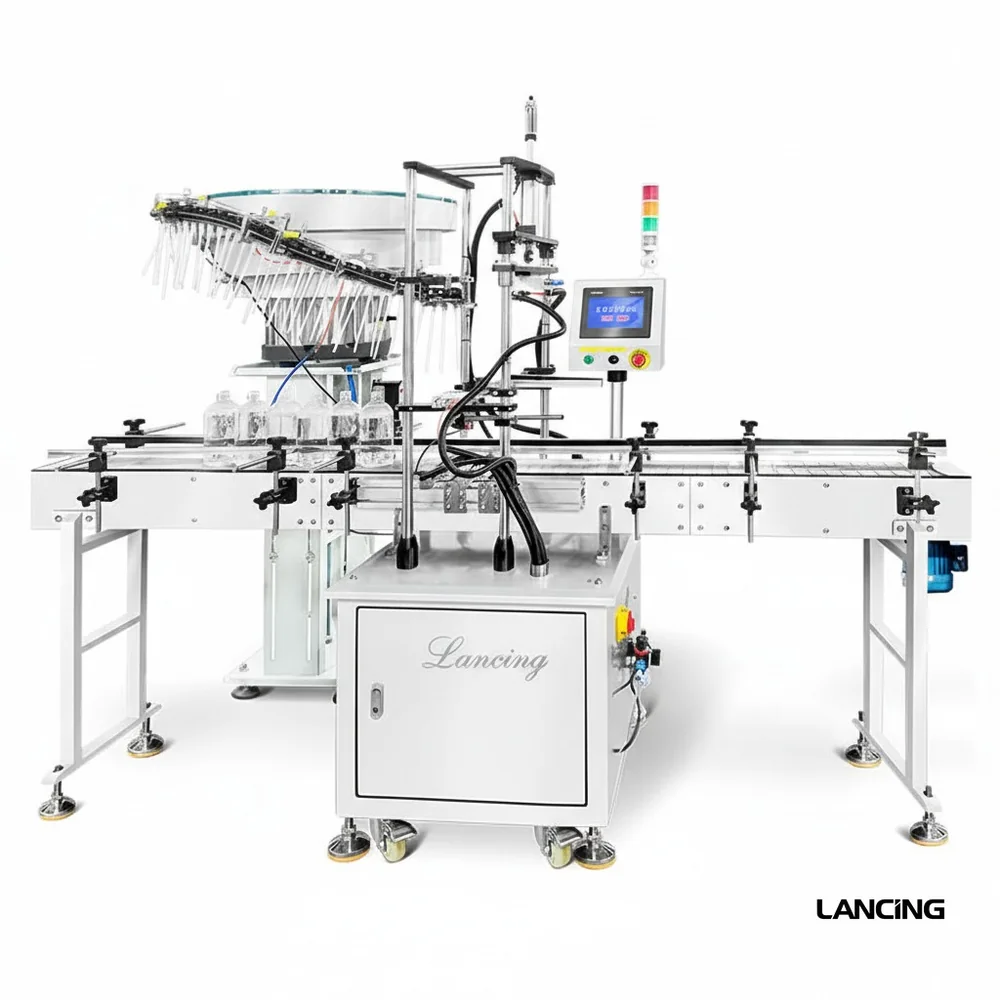
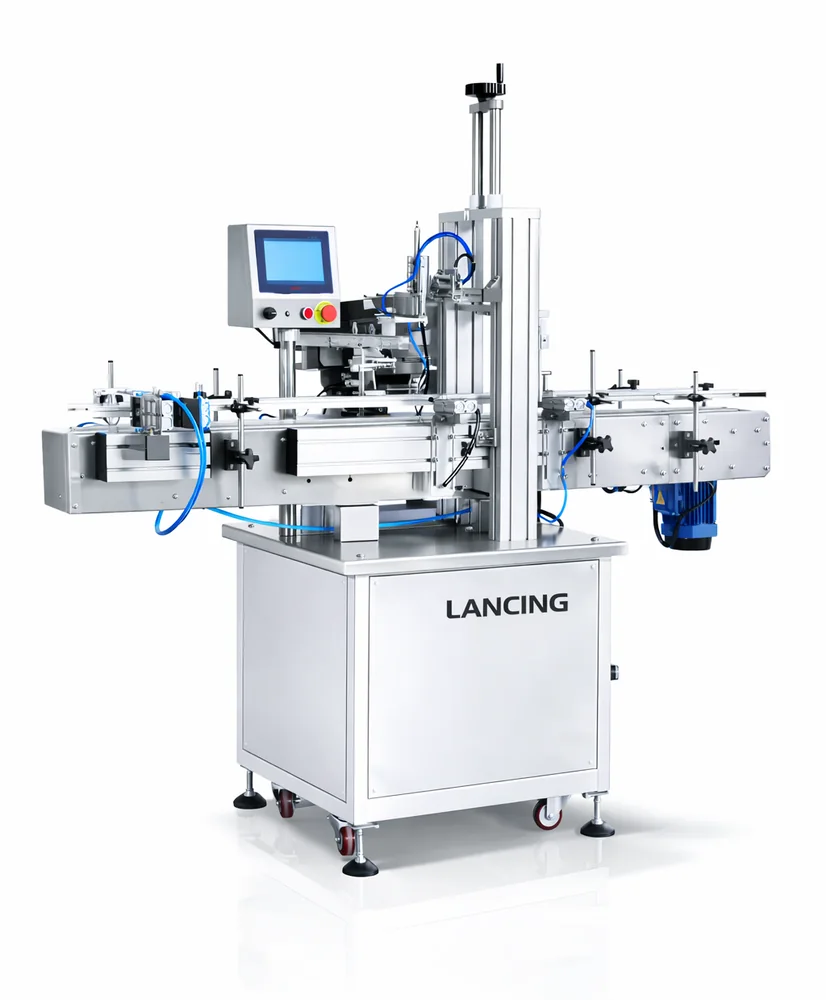
Pump, trigger and sprayer feeding systems.

Feeding systems for difficult closure shapes used on cosmetics, personal care, household cleaning, chemical and contract packing lines.

Need the feeder to match your cap and capper?

Send cap samples, photos, target output and the downstream capping machine details. The quickest shortlist starts with real parts, not a generic speed figure.

Send cap details
Specification focus

Control awkward closures before they reach the bottle.

Pumps, triggers and sprayers can be some of the most difficult closures to automate because they are tall, directional and prone to tangling. A feeder that works for a round plastic cap may not work for a pump with a long tube.

The feeding route may need controlled lanes, bowl tooling, guides, placement support and extra attention to bottle stability. The capper also has to tighten or press the closure without pulling the bottle out of position.

For a practical shortlist, send the complete closure with tube, sample bottles, photos of the existing capper if retrofitting and the realistic target output.

Tube and head controlDip tubes, nozzles and handles must not tangle before handover.
Directional presentationThe closure may need to point a specific way before placement or tightening.
Line integrationSensors and guides help the feeder and capper run as one system.
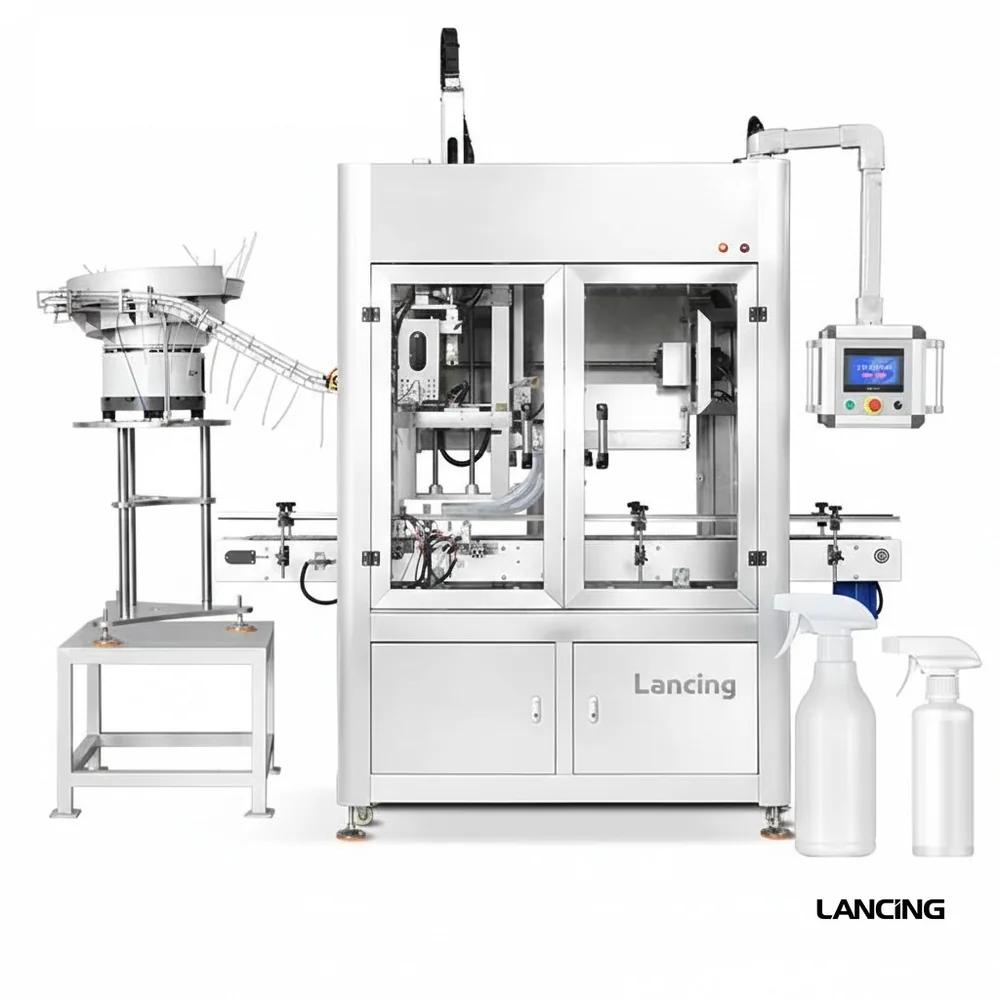
Trigger sprayer capping machine with feeder
Triggers

Trigger sprayer capping

Feeding and capping route for household and care bottles.

Read more
Pump cap feeding line with conveyor
Pumps

Pump cap feeding

Specialist feeder route for dispenser and pump closures.

Read more
Cap pressing machine with feeder
Press-on

Press cap feeding

Press-on and lid-style closures need repeatable presentation before seating.

Read more
Selection table

Information that changes the feeder design.

DetailWhy it mattersWhat to send
Closure geometryControls whether caps can be separated, sorted and held in a stable orientation.Photos, samples, diameter, height, skirt depth, material and any liner details.
Required presentationThe same cap may need different exit orientation depending on the capping head.Correct orientation, chute angle, pick point, capper type and discharge height.
Target outputThe feeder must exceed realistic production speed without flooding the track.Caps per minute, bottles per hour, planned shifts and expected efficiency.
Changeover rangeMultiple closures can require adjustable tooling or dedicated change parts.All cap sizes, SKU frequency and whether quick changeover is important.
Connected Lancing routes

Built to sit beside the wider Lancing machinery network.

The site now links cap feeding intent to bowl feeder specification, capping machine selection and wider bottle-line planning.

Bowl feeding

Vibratory bowl feeder specification

Use the bowl feeder route when the cap or component needs sample-based tooling, orientation and a stable discharge point.

Visit bowlfeeders.co.uk
Capping

Capper selection and closure type

Use the capping machinery route when the project also needs screw, pump, trigger, ROPP, press-on or complete capping equipment.

Visit cappingmachinesuk.co.uk
Line planning

Filling, capping and labelling context

Use the Lancing UK route when the feeder is part of a wider packaging line, retrofit, installation or project-planning brief.

Visit lancinguk.online
FAQs

Questions about pump and trigger feeders.

Can automatic feeders handle trigger sprayers?

Yes in many cases, but trigger sprayers need sample-based assessment because head shape and tube length affect orientation.

What details matter for pump feeders?

Tube length, pump head direction, cap diameter, bottle stability, target speed and how the capper grips the closure.

Are these systems only for cosmetics?

No. They are also common in household cleaning, chemical, personal care and contract packing lines.

CallQuote